Open vs. Enclosed Transport: Which One Does Your Car Actually Need?
Nine out of ten cars ship open. The tenth one matters — here is how to tell if yours is it.
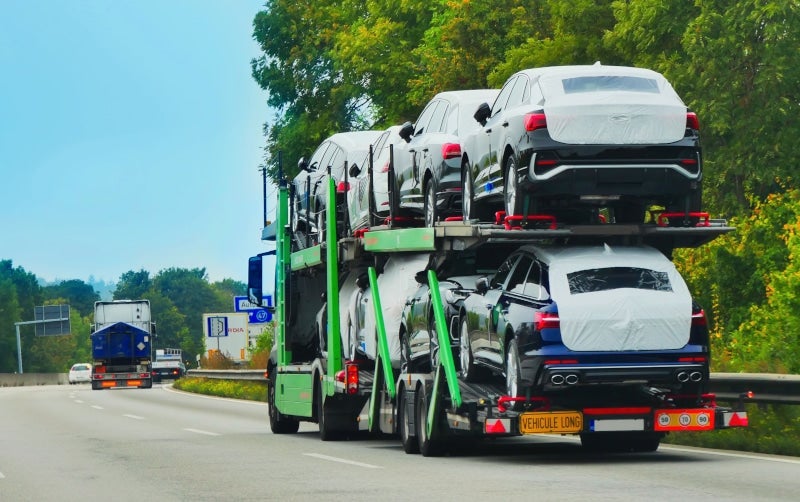
Drive any interstate for an hour and you will pass an open carrier: two decks of ordinary cars riding in the weather, exactly like they did from the factory to the dealership. That is not the budget option. That is the industry standard, and it is how most new cars in America travel.
Reading this as a decision guide: the instant quote tool on this site prices open and enclosed side by side for your exact lane — so you can see what the walls actually cost on your route before you decide.
Choose open when…
Your car is a daily driver, a family SUV, a work truck — a vehicle that lives outdoors. Open transport is faster to book, runs every lane we serve, and costs meaningfully less. Your car arrives with road dust, not damage; a wash is in its future either way.
Choose enclosed when…
The car is a collector piece, a fresh restoration, an exotic, or anything whose value lives in its finish. Enclosed trailers shield the car from weather and road debris end to end, and soft-tie loading suits low-clearance vehicles. It costs more and books a little slower because fewer enclosed trailers run each lane.
The rule from the dispatch desk
If a scratch would ruin your month, go enclosed. If it would ruin your afternoon, open is fine and your wallet keeps the difference. Either way, every carrier we assign is vetted, insured, and DOT-certified — the protection is the same; only the walls change.